Discover how strategic charitable giving, transparent supply chains, and emergency aid transform lives across the globe.
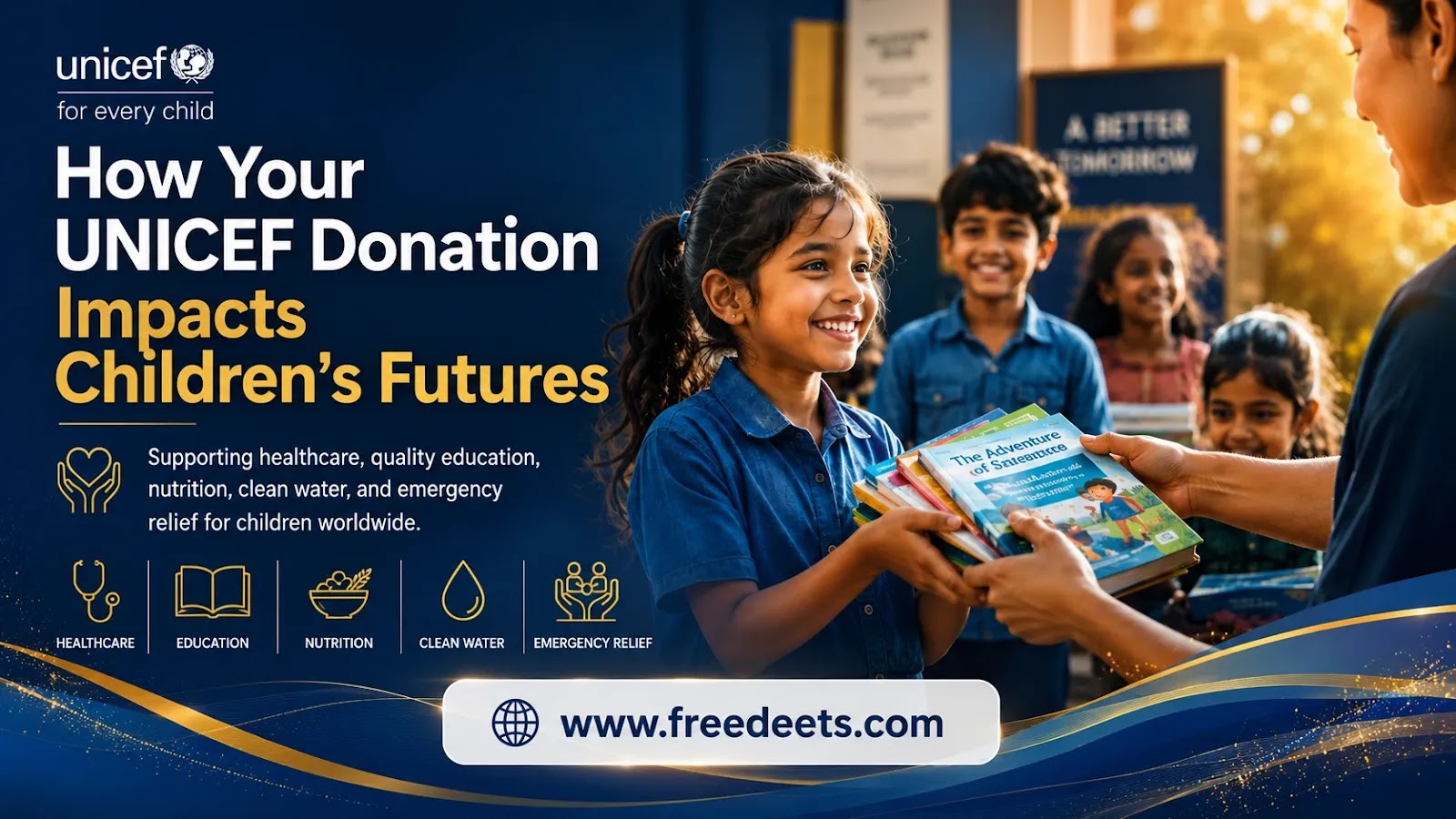
When you look at the complex challenges facing children across the globe today, it is easy to feel powerless. From sudden humanitarian crises and severe malnutrition to the quiet struggle of a child lacking basic classroom supplies, the scale of global need can seem overwhelming.
However, meaningful change rarely happens through massive, isolated actions. Instead, it occurs through sustained, collective goodwill.
Donating to the United Nations Children’s Fund (UNICEF) remains one of the most direct and effective ways to invest in the well-being of the world’s most vulnerable youth. But how exactly does your hard-earned money move from a digital payment to a real-world solution?
Let’s break down how UNICEF operates, where your contributions go, and how strategic charitable giving creates a ripple effect that alters generations.
The Core Pillars: Where Your Contribution Goes
UNICEF operates in over 190 countries and territories. Rather than taking a one-size-fits-all approach, the organization focuses its funding on five interconnected areas vital to childhood development:
1. Emergency Relief and Humanitarian Assistance
During wars, natural disasters, or public health emergencies, children are always the most vulnerable. UNICEF is often among the first organizations on the ground, delivering clean water kits, emergency medical tents, and essential hygiene supplies to families displaced by crises.
2. Healthcare, Vaccines, and Survival
Preventable childhood diseases still claim millions of young lives every year. Your donations help procure and distribute life-saving immunizations, maternal care resources, and treatments for critical illnesses like malaria, pneumonia, and HIV/AIDS.
3. Combatting Malnutrition
Severe acute malnutrition is a life-threatening emergency. Contributions directly fund Ready-to-Use Therapeutic Food (RUTF)—a high-energy, nutrient-dense paste that can bring a malnourished child back from the brink of starvation in just a few weeks.
4. Quality Education and Skill Building
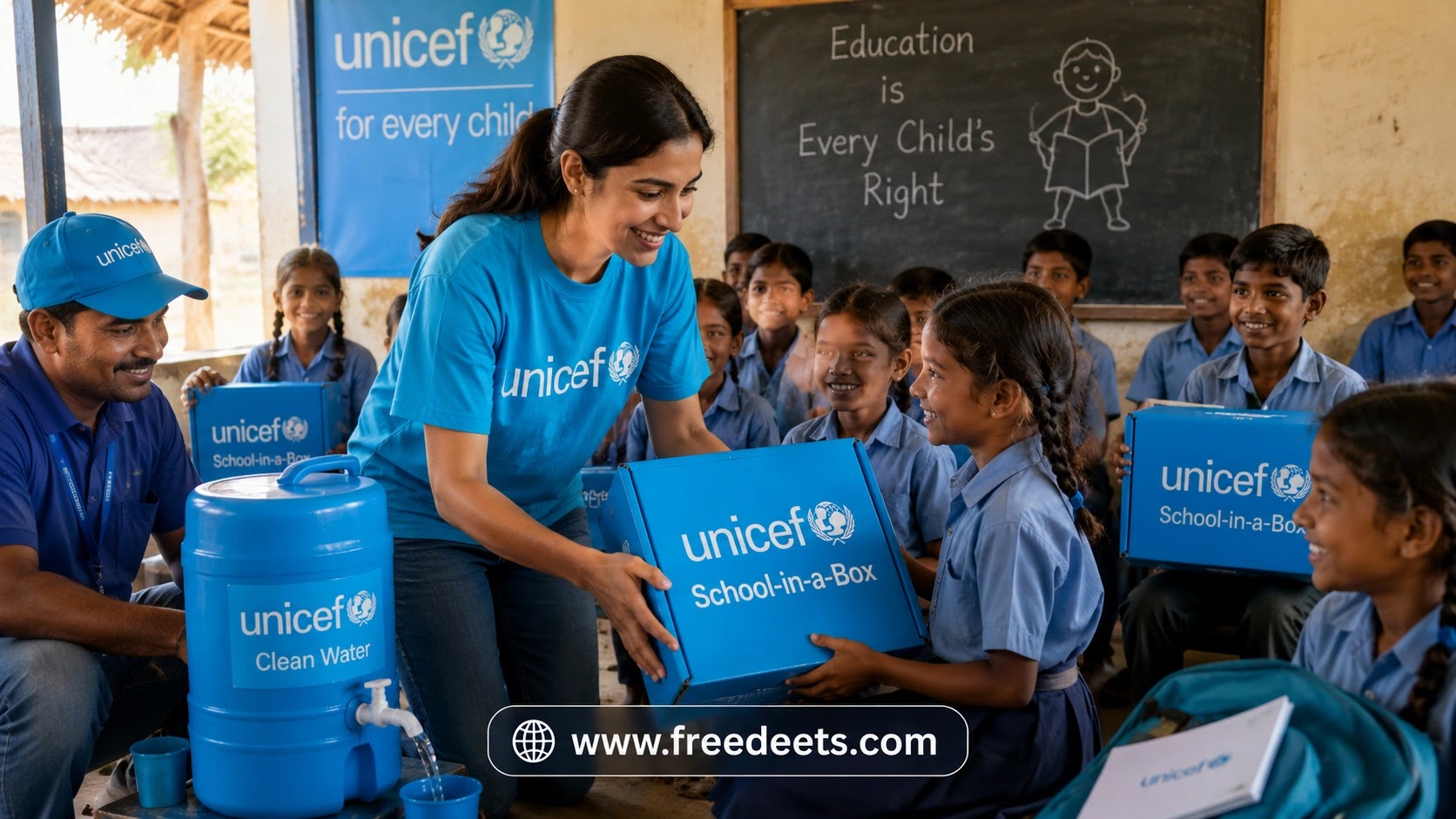
Education breaks the cycle of generational poverty. Donations build safe learning environments, supply textbooks and technology, and train teachers, ensuring that girls, refugees, and impoverished children receive an equal chance at learning.
5. Child Protection and Advocacy
UNICEF works alongside local communities and governments to end child labor, abolish early child marriage, and protect youth from trafficking and violence. They advocate for child-friendly legal frameworks that safeguard every young person’s legal rights.
What Does Your Money Actually Buy?
A common question among donors is: “Is my small donation actually going to make a difference?”
The answer lies in UNICEF’s massive global supply chain. Because they purchase goods at a global scale, every dollar stretches significantly farther than it would for an individual donor.
Practical Ways to Donate to UNICEF
If you are ready to make an impact, there are multiple flexible pathways to contribute depending on your financial goals and tax-planning strategy:
- One-Time Digital Giving: The fastest way to offer immediate support via credit card, PayPal, or bank transfer directly through UNICEF’s secure portal.
- Monthly Giving (Pledge Partners): Recurring monthly donations provide UNICEF with a predictable revenue stream. This allows the organization to respond to sudden, unpredicted emergencies faster without waiting for new fundraising drives.
- Employer Gift Matching: Many high-authority companies and corporations match their employees’ charitable contributions dollar-for-dollar. Check with your HR department to potentially double your impact at zero additional cost to you.
- Planned Giving and Estate Planning: For long-term financial planning, high-net-worth individuals often include UNICEF in their wills, trusts, or tax-advantaged donor-advised funds (DAFs).
- Cryptocurrency and Stock Donations: Donating appreciated assets like stocks or digital currency can offer significant tax advantages in countries like the United States, allowing you to avoid capital gains taxes while maximizing your donation value.
Beyond the Wallet: Non-Monetary Ways to Help
Financial support is crucial, but it isn’t the only way to advance the cause. You can lend your voice and time in several impactful ways:
- Advocate Locally: Engage with local policy discussions and contact local lawmakers to support international aid budgets and child protection initiatives.
- Organize Community Fundraisers: Host local charity runs, school bake sales, or stream-a-thons on platforms like Twitch or YouTube to educate your community while raising funds.
- Amplify Verified Information: Use your online presence to share verified updates from humanitarian zones, counter harmful misinformation, and keep international crises visible in public discussions.
Frequently Asked Questions (FAQ)
Is a donation to UNICEF tax-deductible?
Yes, in many countries—including the United States (via UNICEF USA)—donations are fully tax-deductible to the extent allowed by law. Always retain your digital email receipt for tax filing purposes.
How much of my money actually reaches children?
UNICEF maintains strong fiscal transparency ratings. On average, over 85% to 90% of every dollar spent goes directly to program activities benefiting children, while the remaining small percentage covers essential administrative and auditing costs to keep operations secure.
Is UNICEF funded by the United Nations budget?
No. Although UNICEF is an integral part of the United Nations system, it receives no funds from the main UN corporate budget. The organization relies 100% on voluntary donations from individuals, philanthropic foundations, businesses, and governments.
The Bottom Line
A donation to UNICEF is far more than a simple charitable act—it is an investment in global stability, health, and economic progress. When a child receives adequate nutrition, clean water, and access to a classroom, they are empowered to grow up and uplift their entire community. Whether you set up a $5 recurring monthly payment or organize a workplace fundraising drive, your support moves the needle toward a safer, fairer world for every child.
Leave a Reply